A Pandemic of Meetings – what can be done?
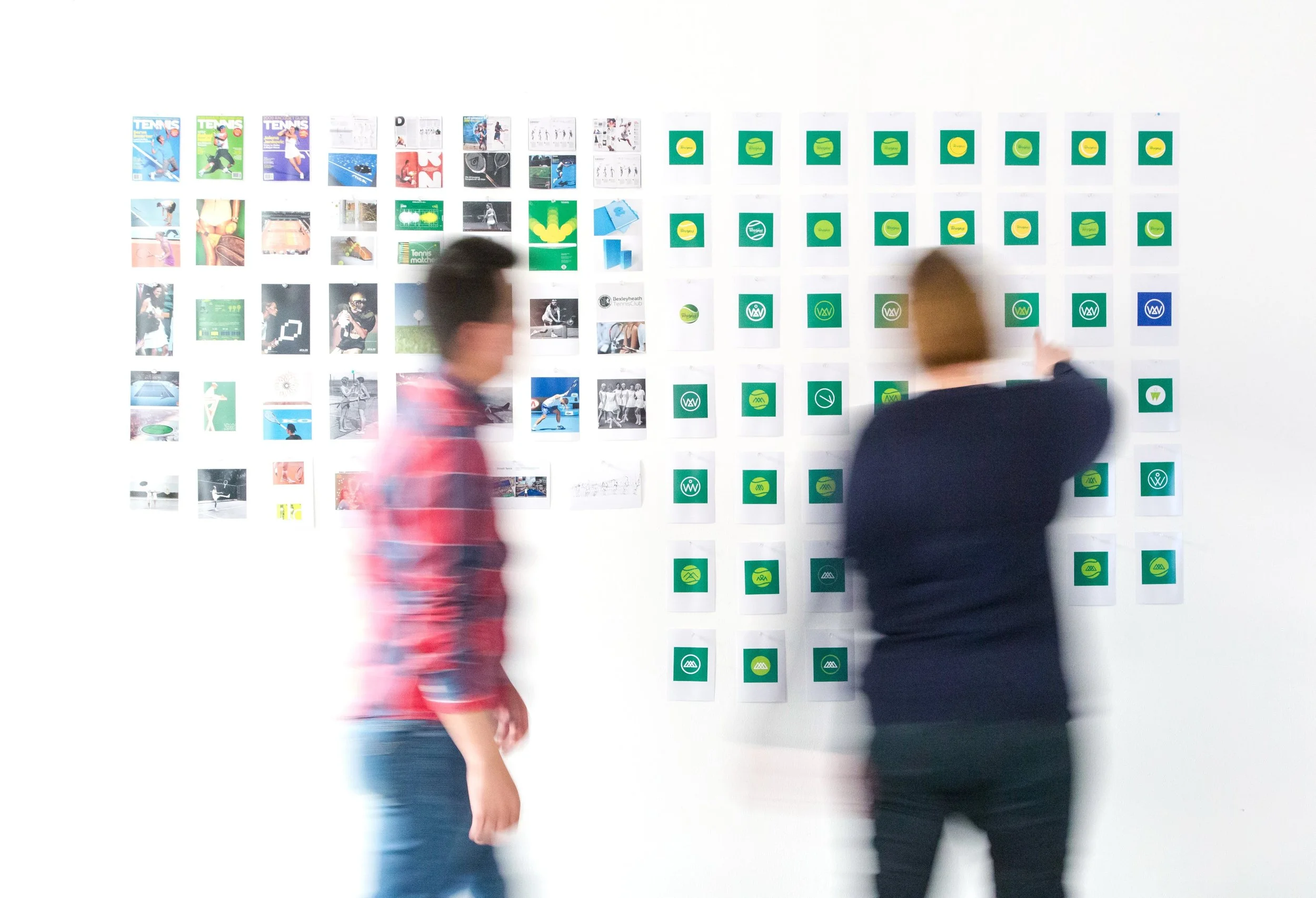
Even though humankind has been gathering and meeting for all sorts of reasons since time immemorial, we still haven’t cracked how to plan and run effective meetings. Or how to reduce their frequency.
That is because without the right inputs, tools, and practice, running a good meeting can be a real challenge. There is in fact more to the meeting problem than meets the eye.
A staggering 55 million meetings are held per week in companies in the US, 63% of which have no agenda.
It’s not hard to see how that could be a problem for productivity and a source of frustration for many.
So if we are in meetings so much of the time, when do we actually get the work done?
In organizations, as in life, time is a scarce commodity. Unlike money or staff, however, we can’t get more of it. Too many badly organized meetings squander both time and energy, which means there is a tangible, rarely calculated cost to performance and the bottom line.
So how exactly can we go about taking back the time we need to do the work? How can we make sure that teams and managers have the time they need to reflect? How can organizations create environments that are healthier, more productive and genuinely let creativity flourish?
Over the next few newsletter issues, Studiolo Secondari will discuss these questions in detail. We will deliver strategies and ideas that will help you reduce meeting frequency, provide alternatives to meetings, and figure out the best way to make the meetings you do have more productive.
Whether you are a small business owner, a team manager or a team member, there will be something to help you resolve even the most virulent of meeting problems.
Here is a preview of some of the things we will tackle in-depth:
How to evaluate if the meetings you currently have scheduled are worthwhile
How to decide when and what type of meetings to have
How to plan and run effective meetings that engage and motivate teams
How to organize effective alternatives to meetings
How to improve outcomes by running more inclusive meetings
In the meantime, please check out this useful online tool to determine if your meetings are well prepared and ready to go.
We’d love to hear what you find? How many of your regular meetings are worthwhile?
Looking to maximize profitability and efficiency? (Who isn’t?) Through organizational design, I take a humanistic approach to how your business operates, developing systems that make work more streamlined, productive and enjoyable for your users and your staff.
Image credit: Derick McKinney unsplash.com/@derickray